Who is responsible for customer damage?

Who is responsible for customer damage?
"I manage a group of about ten people in a company. One of the people in this group apparently caused quite a lot of damage to a customer when carrying out work for her. My question is as follows: Who is liable? My question is: Who is responsible? My boss as the employer or me as the person who gave the instructions? If it's my employer who's responsible, can he then take action against me?
Richard, Nyon
The Code of Obligations provides for various forms of liability, including the employer's liability for the acts of its employees or other auxiliaries.
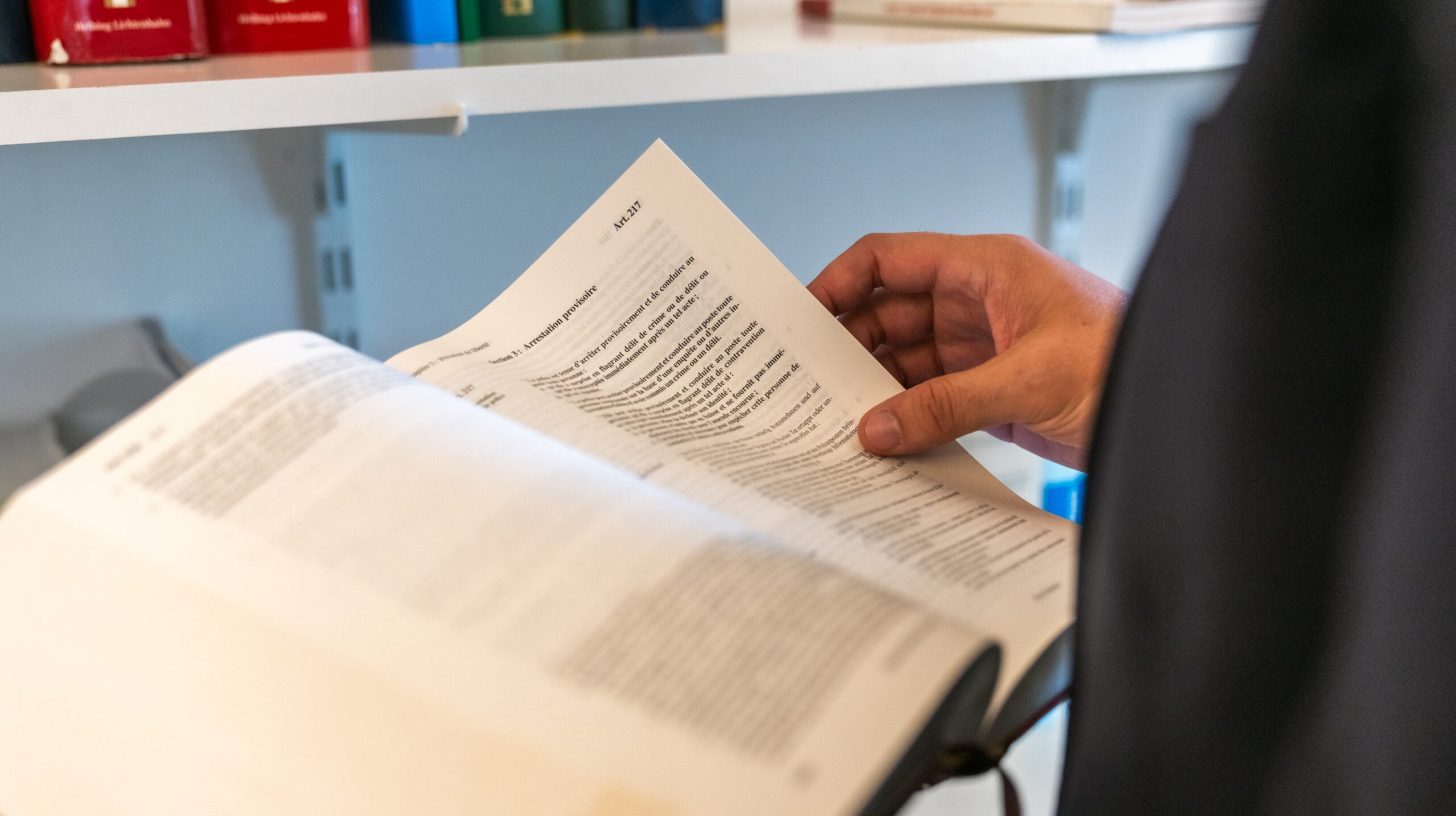
Under article 55 of the Code of Obligations, the employer is liable for damage caused by his workers or other auxiliaries in the performance of their work, unless he can prove that he took all the care required by the circumstances to prevent such damage or that his diligence would not have prevented the damage from occurring.
The decisive criterion for defining the concepts of employer and auxiliary is the existence of a de facto subordinate relationship. However, the relationship between the two need not necessarily be direct. The employer may use intermediary auxiliaries to supervise and give instructions to employees. It does not matter to whom the duty of care actually falls; the doctrine considers that the employer is always the most senior person in the hierarchy.
In this case, your boss is responsible for the damage caused to the customer.
However, the employer may be released from liability if he can prove that he took all the measures objectively indicated by the circumstances to prevent damage occurring. He will have to prove that he took care to select, instruct and supervise his employee himself, or that he organised his business accordingly.
If this proof is provided, the client will have to rely on the "classic" liability of article 41 CO against the employee who caused the damage.
If it is the employer's "causal" responsibility that is engaged, the latter will nevertheless have the possibility of turning against the employee if the latter is responsible for the damage. In this case, the internal relationship will be based either on the employment contract or on the general rules of the Code of Obligations relating to civil liability.
It is only in this context that your employer could possibly involve you in the reparation of the damage, if he can demonstrate that you failed in your own obligations towards him.